


Listen to this article
Consumer sentiment, or consumer confidence, is a crucial indicator of the UK's economic health. Google Trends reflects the overall attitude of consumers towards their personal financial situation and the state of the economy. When sentiment is high, people are more likely to spend, while low sentiment often leads to more cautious behaviour and a reduction in discretionary spending.
For marketers and advertisers, keeping a finger on the pulse of this sentiment is essential for crafting effective campaigns. While traditional methods like surveys and reports are valuable, they can often be slow to capture real-time shifts. This is where it comes in, offering a powerful, free tool to monitor consumer sentiment as it evolves.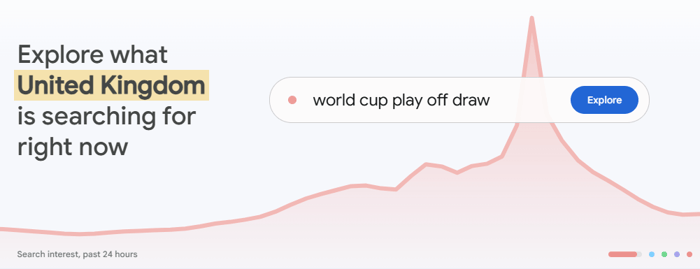
How Google Trends Reflects UK Consumer Sentiment
Google Trends analyses a sample of Google searches to provide a relative measure of search interest over time. By examining the types of queries and the volume of searches, we can infer consumer attitudes and intentions. Here’s how you can use this data to your advantage:
1. Gauging Economic Optimism vs. Pessimism
- Optimism and pessimism about the economy are often reflected in search behaviour. For example, during periods of economic confidence, you might see a rise in searches for "holiday deals," "new car," or "luxury brands." Conversely, when sentiment is low, searches for "how to save money," "budget recipes," "cheapest flights," or "side hustle" tend to spike. By comparing these types of terms, you can get a quick, real-time snapshot of the prevailing mood.
2. Identifying Shifts in Spending Habits
- Google Trends can reveal how consumers are reallocating their spending. For instance, an increase in searches for "DIY tutorials" and "home improvement" could suggest that people are choosing to spend on improving their existing homes rather than moving. Similarly, a surge in searches for "staycation ideas" and "camping gear" might indicate a shift from expensive foreign holidays to more affordable domestic travel. Monitoring these trends helps you identify emerging market opportunities and tailor your messaging accordingly.
3. Understanding Brand and Product Interest
- You can use Google Trends to track interest in your own brand and products, as well as those of your competitors. A sudden surge in searches for a particular competitor might signal a successful marketing campaign or a new product launch. Conversely, a drop in interest for your own brand could be a sign that you need to re-evaluate your strategy. By comparing search interest over time, you can benchmark your brand's performance against the broader market.
4. Spotting Early-Stage Trends
- The "Rising" section in Google Trends is a goldmine for advertisers. This feature highlights queries that have seen a significant increase in search volume recently. A "Breakout" query is one that has grown by more than 5,000%. By keeping an eye on these rising trends, you can be among the first to create content or launch a campaign that taps into a new or emerging consumer interest. For example, a "breakout" in searches for "plant-based protein" could signal a perfect opportunity for a food brand to promote its new vegan range.
Key Takeaway 🔑
Google Trends is an invaluable, real-time indicator of UK consumer sentiment. It provides actionable insights into public mood, spending habits, and emerging trends, allowing marketers and advertisers to develop timely, relevant, and effective campaigns. While it shouldn't be the only tool in your arsenal, its speed and accessibility make it a powerful supplement to more traditional research methods.
If you’d like to learn more, get in touch.
Frequently asked questions
Is Google Trends a scientific measure of consumer sentiment?
No, it's not a scientific poll. Google Trends reflects aggregated search interest, not a representative survey of the population. It's best used as an indicative tool to spot trends and changes in consumer behaviour in real-time.
Can I use Google Trends to forecast future consumer behaviour?
While you can't predict the future with 100% accuracy, you can use historical data on Google Trends to identify seasonal patterns and recurring trends. This helps with planning campaigns and content calendars to align with expected spikes in interest.
How can I use Google Trends for local marketing?
You can filter Google Trends data by sub-region, allowing you to see how search interest varies across different parts of the UK. This is particularly useful for local businesses to understand what's trending in their specific area.
Share this article
Related articles
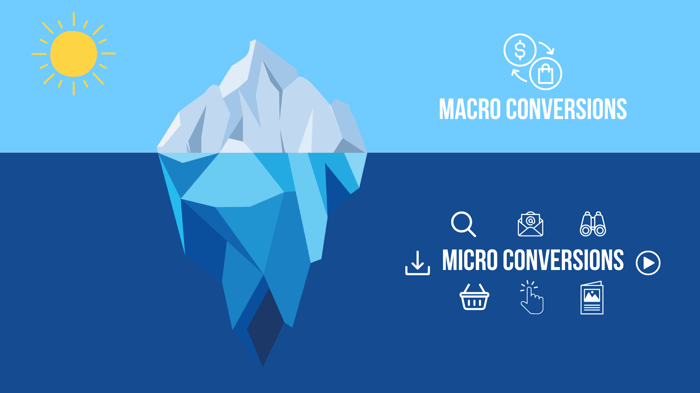 Are micro conversions the most underused advantage in PPC??Realistically? That’s not how people behave anymore. They take their time. They explore. They do a handful of small actions before ever filling out a form or
 Meta Andromeda: What It Means for Your Meta Ads StrategyFor years, Paid Media Specialists have mastered the art of audience segmentation on Meta. We've built intricate targeting structures, layered
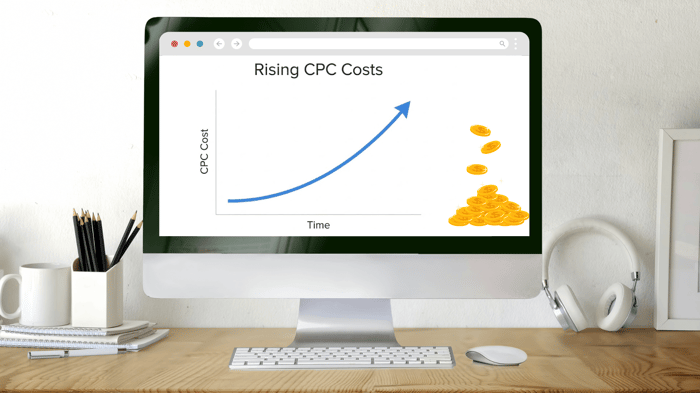 The Rising Costs of Digital AdvertisingThe trend of rising costs of digital advertising, marked by rising CPCs (Cost Per Click) and CPMs (Cost Per Mille, or Cost Per Thousand Impressions), is