


Listen to this article
One of the biggest misconceptions in PPC is that a user lands on your site, likes what they see, and converts in a single clean line.
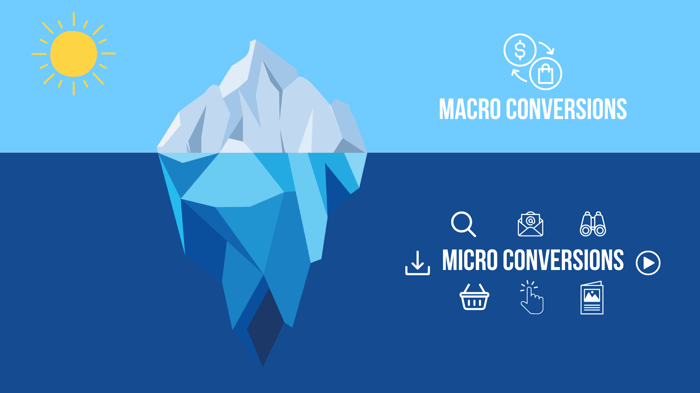
Realistically? That’s not how people behave anymore. They take their time. They explore. They do a handful of small actions before ever filling out a form or completing a purchase. And those small actions (the micro conversions) are often the most telling part of your funnel.
Micro conversions are simply the steps users frequently take before converting. This can look like reading an important page, clicking your main CTA, watching a video, downloading a brochure, signing up for a mailing list, or adding something to a basket. They are indicators that someone is warming up, not ready to convert yet, but not cold either.
And here is the part people underestimate: while macro conversions only capture 3% of your traffic, micro conversions often appear in 5%, 10%, or even 50% of visits. That means the majority of your performance insights don’t live at the very end of the journey - they live in the middle, long before the final action happens.
Once you start looking at these smaller behaviours, you get a much clearer feel for how people move through your funnel. You can see which content genuinely nudges users forward, where the drop-offs happen, and what separates window shoppers from serious prospects. It also transforms how you approach audiences. Someone who viewed pricing or downloaded a course guide is not the same as someone who just poked around your homepage, and your campaigns perform much better when you treat these users differently.
Of course, not all micro conversions carry the same weight. The useful ones tend to be the actions that sit closest to the macro goal: downloading a brochure, joining a mailing list, adding something to the basket, using live chat, or watching a product or course video most of the way through. These behaviours show proper intent.
On the other hand, broader signals like “time on site,” generic pageviews, or scroll depth rarely tell you anything meaningful. They are too vague, and they don’t reliably predict whether someone will actually convert.
If you want a simple starting point, track the micro behaviours that clearly represent intent: newsletter sign-ups, brochure downloads, and add-to-basket actions. These give you enough visibility to understand how people are interacting with your content and where the path between first click and conversion breaks down.
- If people are downloading resources but not enquiring, you have a landing page or message problem
- If people add to the basket but don’t purchase, the issue is likely in the checkout experience
Micro conversions make these weaknesses visible long before your macro data is large enough to tell you the same story.
They are particularly valuable in long decision journeys - education, lead-gen, higher-ticket products, or anything where users rarely convert immediately. In these cases, macro conversions come in too slowly to optimise around, especially early in an intake or during a seasonally quiet period. Micro conversions keep your campaigns fuelled with consistent signals.
If you are running a huge, fast-moving ecommerce setup with thousands of conversions a month, you probably won’t rely on micro conversions as heavily. But for most advertisers, especially anyone dealing with complex user journeys, they are one of the simplest ways to improve your understanding of user behaviour and strengthen the performance of every step in your funnel.
Macro conversions tell you the final result.
Micro conversions tell you the story.
And if you want better performance, you need both.
Key Takeaway 🔑
Understanding user behaviour in PPC campaigns requires a focus on both micro and macro conversions. While macro conversions reveal the end result, micro conversions provide valuable insights into user engagement and intent throughout their journey. By monitoring these smaller actions, you can refine your approach and improve conversion rates, especially in complex or lengthy decision processes.
If you’d like to learn more, get in touch.
Frequently asked questions
What are micro conversions, and why are they important?
Micro conversions are small actions that users take before completing a main conversion, such as signing up for a newsletter or adding an item to a basket. They are important because they offer insights into user intent and behaviour, allowing you to optimise your PPC campaigns more effectively.
How can I identify which micro conversions matter?
Focus on actions that closely align with your macro goal, such as downloading brochures or adding products to a basket. These indicate genuine user interest and intent. Avoid relying on vague signals like time on site or scroll depth, as they often lack predictive value.
How do micro conversions improve campaign performance?
By tracking micro conversions, you can identify where users drop off in the funnel and which content nudges them forward. This insight helps tailor your messaging and target your audience more effectively, ultimately enhancing your overall campaign performance.
Share this article
Related articles
 Using Google Trends for UK Consumer Sentiment AnalysisFor marketers and advertisers, keeping a finger on the pulse of this sentiment is essential for crafting effective campaigns. While traditional methods
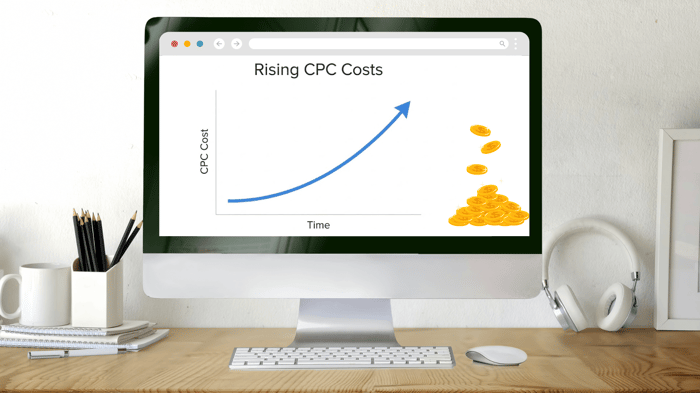 The Rising Costs of Digital AdvertisingThe trend of rising costs of digital advertising, marked by rising CPCs (Cost Per Click) and CPMs (Cost Per Mille, or Cost Per Thousand Impressions), is
 2025 in Review & The Digital Marketing Shifts Shaping 2026This has been an unbelievable year for the digital marketing landscape. I am sure that most people will underline that 2025 has been mostly shaped by the