



For years, marketing has followed the calendar: Spring, Summer, Black Friday, Christmas. Predictable, but increasingly ineffective.
In 2026, demand doesn’t follow fixed timelines; it is shaped in real time by weather, trends, economic shifts, and online behavior. To capture these moments, businesses must transition to signal-led marketing. Those sticking strictly to pre-set campaign dates risk being out of sync, spending at the wrong time or missing demand entirely.
What is Signal Led Marketing?
Signal led marketing uses real-time data, like search demand, website traffic, CRM activity, and tools such as Google Trends, to decide when and where to invest budget.
Instead of predicting demand, it responds to it.
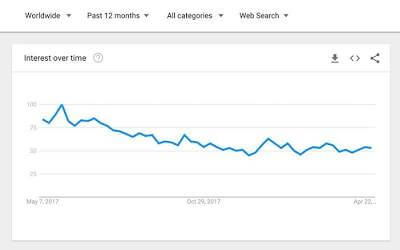
The Shift in Thinking
- Budgeting becomes flexible, increasing when ROI is strong and pulling back when it’s not.
- Trigger Points move from fixed dates to real-world signals, like an early heatwave or a sudden spike in demand. Crucially, this doesn't mean manually watching dashboards all day; it means setting up automated systems that automatically scale budget or deploy ads the moment a specific real-world trigger is met.
- Search Strategy evolves from static keyword bidding to AI-driven insights based on live data. A retailer should have the capacity to react instantly to an influencer-driven spike or a current trend and capture demand in the moment. By leveraging AI-driven features like Google's Smart Bidding and Performance Max, your strategy shifts from static keyword guessing to letting machine learning dynamically capture fluid, in-the-moment consumer intent.
- Creative shifts from fixed assets to adaptable messaging that reflects current conditions and trends.
Why It Matters
Signal led marketing improves efficiency by aligning spend with actual demand. That means less waste, better performance, and more control over rising acquisition costs.
Most importantly, it matches how consumers behave today, acting in moments, not seasons.
Final Thought
Seasonal planning isn’t dead, but it’s no longer enough. The brands that win in 2026 are those that can respond in real time.
If you’d like to learn more, get in touch today. Don't forget to follow us for more digital marketing insights and subscribe to our newsletter!
Frequently asked questions
Does signal led marketing mean we should completely abandon seasonal campaign calendars?
Not at all. Seasonal planning still provides a baseline structure for major product launches and predictable retail moments like Christmas. However, instead of locking in 100% of your budget to fixed dates, signal-led marketing means holding back a portion of your budget and creative resources to deploy instantly when real-time demand triggers fire.
What are the best tools for small-to-medium businesses to start tracking these signals?
You don't need a massive enterprise tech stack to start. Free tools like Google Trends and Google Alerts are great for spotting macroeconomic and cultural shifts. For your own audience, setting up custom alerts in Google Analytics 4 (e.g., traffic spikes to specific categories) and monitoring real-time search volume changes in your Google Ads account are incredibly effective starting points.
How do we manage creative assets if we don't know what the signal will be in advance?
The secret is shifting from fixed, hyper-specific assets to a modular creative framework. Instead of building one rigid video or banner, build "templates" with flexible copy and image zones. When a signal is triggered (like a sudden weather shift or trending topic), your team - or an AI-driven dynamic creative tool - can swap in the relevant messaging in minutes rather than weeks.
Share this article
Related articles
 Making The Most Of First-Party DataBut what exactly is first-party data, why does it matter, and how can brands harness it to build trust and deliver better advertising? First-party data
 The PPC World Cup: Navigating Strategy During the TournamentBut while millions of eyes are glued to the world cup pitches, what is happening behind the scenes to your paid media accounts? Major sporting events can
 From Data to Doorstep. Your Next Location is Hiding in Plain Sight.Starbucks built an entire internal geospatial division to determine where their next cup should be served, layering foot traffic data, drive-time modelling,