



For years, performance marketers were defined by their obsession with granular targeting - meticulously layering interests, lookalikes, and exclusions. But as Meta’s algorithm-driven landscape has shifted, those technical levers have become largely automated.
With Advantage+ and machine learning now driving distribution, the competitive edge has moved. You can no longer out-target the competition; you have to out-produce them.
Welcome to the era where creative is the new targeting.
The First 3 Seconds Are Everything (Hooks Win Auctions)
Part of Meta’s algorithm shift is that it’s optimising for the engagement signals early on in the user’s interface experience. If the ad doesn’t halt the scroll, it doesn't get the distribution.
This is widely known as the hook, which its current goal isn’t beauty, it’s being thumb-stopping-ly relevant. The hook is now part of the targeting layer.
Saying that, we believe the hook must:
Create pattern interruption
Speak directly to a problem-point
Spark curiosity
Or visually stand out immediately
We’ve created some hook-provoking examples:
“If you’re running ads and your CPA keeps rising, watch this.”
“We wasted £40,000 before figuring this out.”
A bold on-screen stat.
A controversial claim.
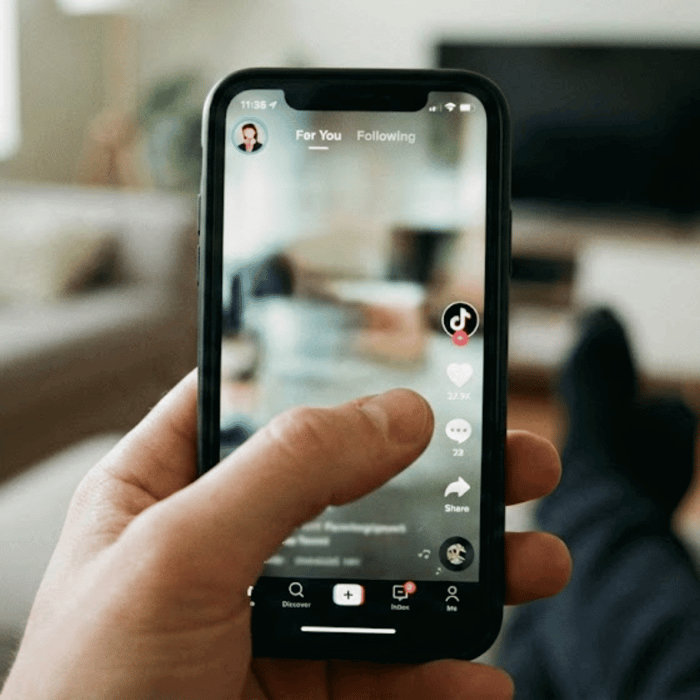
User Generated Content Is Still King...But It Has Evolved
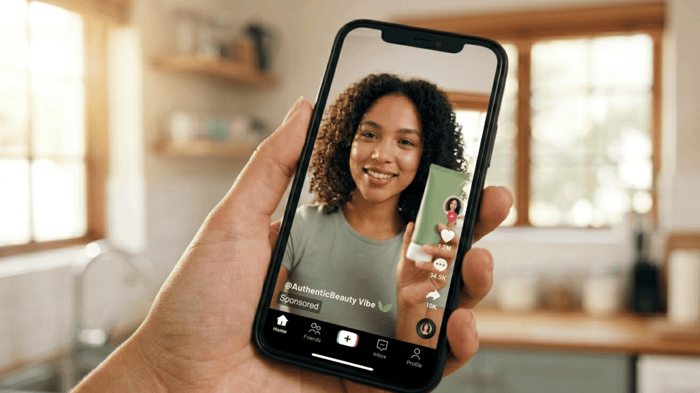
User Generated Content (UGC) content isn’t new, but as the title suggests, it’s evolved. Evolving into more structured content that covers a variety of needs, wants, and views that user’s trust and can resonate with quicker than most.
Being able to blend these evolved structured UGC ads into the feed, is how we can grasp attention immediately, creating opportunity for engagement.
What we’ve seen as ‘Winning’ formats include:
Problem → Solution storytelling
“POV” style videos
Before/after transformation
Founder-led authenticity
Micro-influencer reviews
So, what’s the key difference today?
It must feel native to the feed. Over-produced content often underperforms. The best ads feel like organic posts that just happen to sell.
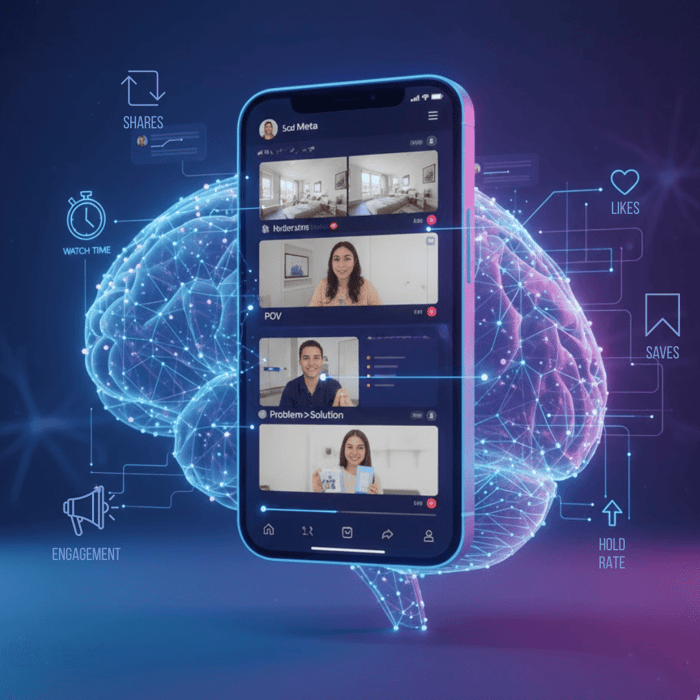
We can predict that Meta’s machine learning rewards content that drives:
Hold rate
Watch time
Shares
Saves
Engagement
That’s why media buyers now need to understand content psychology - not just metrics.
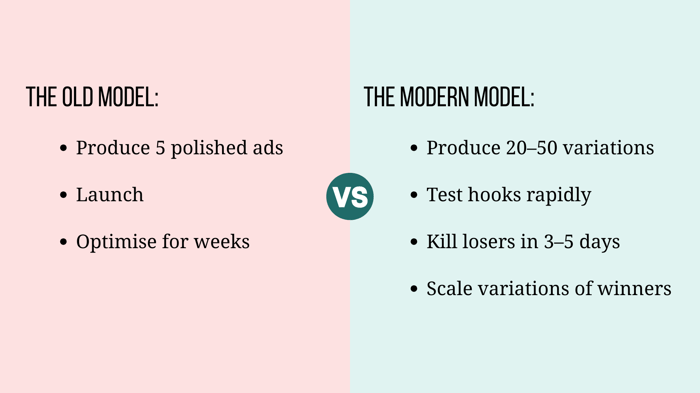
Iterative Testing Beats Big Content Launches - ‘Out with the Old, In with the New…’
Creative testing should follow a structured framework:
Phase 1 - Hook Testing: Same body, different openings.
Phase 2 - Angle Testing: Problem-aware vs benefit-led vs objection handling.
Phase 3 - Format Testing: Talking head vs testimonial vs demo vs meme.
We’ve started treating creative activity like paid search testing:
Hypothesis-driven
Systematic
Fast iteration cycles
Creative velocity is now a competitive advantage.
Why Media Buyers Are Becoming Creative Strategists
Automation has changed the skillset. When campaigns like Advantage+ handle majority of targeting and optimisation, performance hinges on:
Messaging clarity
Offer positioning
Visual storytelling
Psychological triggers
The top-end media buyers today, will be:
Study copywriting
Analysing consumer behaviour
Breaking down top-performing ads weekly/bi-weekly
Collaborate closely with creators
When the targeting is now broad, the ad creative determines who will convert.
The Takeaway
If your performance is starting to or has been plateauing, it’s rarely because your audience isn’t precise enough. It’s down to the following:
Your hook(s) need improvement - be more engaging.
Your creative lacks iteration.
Your message needs to be sharper.
In the ever-evolving sphere of Social Media advertising, it’s less so about dashboard and bidding strategies but about building the ads to feel native, spark emotion, and convert at a larger scale.
Creative isn’t support anymore.
It’s the lead.
If you’d like to learn more, get in touch, and please follow us for more digital marketing related content!
Frequently asked questions
Why has creative replaced manual targeting on Meta?
With the rise of machine learning and tools like Advantage+, Meta’s algorithm has become incredibly efficient at finding audiences on its own. Since your competitors are likely using the same broad targeting, the only way to differentiate and lower your CPA is through creative that "self-targets" by resonating with specific customer pain points.
What makes an ad "native" to the feed, and why does it matter?
A native ad is designed to look like organic content- posts from friends or creators - rather than a polished commercial. Meta rewards content that drives high engagement and "hold rates." Over-produced ads often trigger "ad blindness," whereas structured UGC (User-Generated Content) feels more authentic and builds trust faster.
How does the "Modern Model" of creative testing work?
Instead of launching 5 polished ads and waiting weeks for results, the modern model prioritises creative velocity. You launch 20–50 variations, testing hooks rapidly and killing underperformers within 3-5 days. Once a winning hook is identified, you iterate on the angles and formats to scale performance systematically.
Share this article
Related articles
 In 2026, do Old Google Ads Metrics still matter?Across agencies up and down the country, conversations are being had about what the future of a Paid Media professional looks like in the context of an
 AI Advertising Pivot: Navigating the Shift from Search to Discovery in 2026While platforms like OpenAI initially signalled resistance to a traditional advertising model, many paid media specialists suspected that scale, cost and
 Why UGC Ads are the Future of Brand MarketingAudiences have become more sceptical of traditional advertising and more receptive to content that feels real, relatable and trustworthy. Studies show