


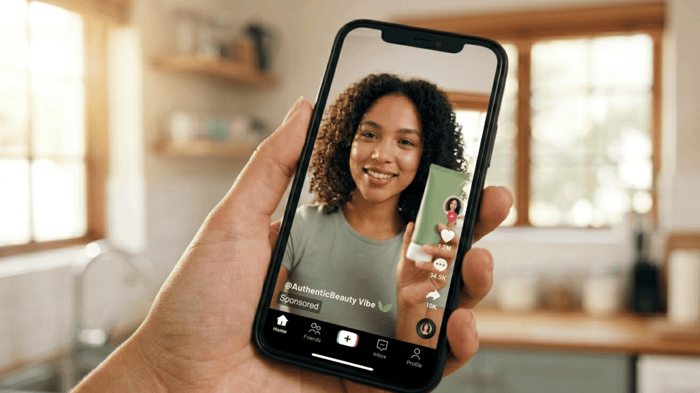
Social media advertising is experiencing a significant shift. Brands are moving away from heavily polished, brand-focused campaigns and transitioning into user-generated content (UGC) creatives. This evolution in advertising strategy is being driven by one core demand: authenticity.
Audiences have become more sceptical of traditional advertising and more receptive to content that feels real, relatable and trustworthy. Studies show that approximately 92% of consumers trust user-generated content more than traditional advertising [1]. This highlights the fundamental change in how audiences are engaging with brands. User scepticism is also growing towards AI-generated content, with audiences increasingly questioning what is real and what is AI-generated. As AI-produced content becomes more prevalent, the demand for human-led, authentic creatives has also risen significantly.
The Rise of Paid UGC Content
We are also seeing brands move away from A-list, large-scale celebrity endorsements in favour of influencers and micro-influencers who have stronger trust within their audiences. While celebrity campaigns still have their place, audiences increasingly respond to creators who feel accessible and authentic.
UGC-style content showcases real-life use of a product or service. It demonstrates how something fits naturally into everyday routines, helping viewers to see themselves using it. This relatability builds credibility and trust. When content feels less like an advert and more like a recommendation, it reduces friction in the user purchasing journey, with 79% of users stating that UGC content highly influences their purchasing decisions [2]. It’s important to note that this does not mean abandoning brand-focused advertising entirely. Instead, it signals the need for brands to diversify their creative strategy. Testing creatives, incorporating creator-led content, and balancing polished brand assets can significantly expand performance opportunities.
The Surge in Short-Form Video Content
The rise of short-form video has accelerated this shift even further. Platforms such as TikTok and Instagram Reels have reshaped how users consume content - fast, informal, and highly engaging.
Short-form video thrives on authenticity. Highly scripted, over-produced adverts often feel out of place in feeds designed for creator-led content. UGC-style videos blend into these placements, making them less disruptive, obvious and more engaging.
Paid social platforms such as Meta and TikTok prioritise ads that generate higher engagement. Because UGC-style ads feel native to the platform, they consistently outperform traditional assets across key metrics:
Stronger Click-Through Rates (CTRs): Users are more likely to engage with content that looks like a recommendation.
Lower Cost-Per-Click (CPCs): Higher engagement signals to platforms like Meta and TikTok that the ad is relevant, often reducing costs.
Improved ROI: Authenticity reduces friction in the purchasing journey, leading to better conversion.
For brands, this is not just a creative shift; it’s a performance-driven one.
Why This Shift Shouldn't Be Ignored
Ultimately, UGC-style content is reshaping the advertising industry. Consumers are demanding transparency, relatability, trust and authenticity, and brands are responding.
The move away from heavily brand-focused campaigns towards creator-led, authentic content is not just a trend; it reflects a broader change in how users connect with brands online. The most successful advertisers will not abandon traditional brand-building, but they will adapt by testing, learning and developing their creatives to meet the audiences they target.
If you’d like to learn more, get in touch, and please follow us for more digital marketing related content!
[1] Social Targeter
Frequently asked questions
What are UGC-style ads?
UGC-style ads are paid advertisements designed to look and feel like organic user-generated content. Instead of high-end studio production, these ads use "lo-fi" aesthetics—often filmed on mobile phones by creators or customers—to appear more authentic and less disruptive within a user's social media feed.
Why is authenticity becoming more important in digital marketing?
Modern consumers, particularly Gen Z and Millennials, have developed "ad blindness" toward traditional, overly polished commercials. As AI-generated content becomes more common, audiences are prioritising transparency. Research shows that 92% of consumers trust peer recommendations and authentic human experiences over traditional brand messaging.
Do UGC-style ads perform better than traditional brand videos?
In many cases, yes. Because UGC-style ads feel native to platforms like TikTok and Instagram Reels, they typically achieve higher engagement rates, stronger click-through rates (CTRs), and a lower cost-per-click (CPC). They reduce the "friction" of a sale by making the promotion feel like a genuine recommendation rather than a cold pitch.
Share this article
Related articles
 In 2026, do Old Google Ads Metrics still matter?Across agencies up and down the country, conversations are being had about what the future of a Paid Media professional looks like in the context of an
 CTR Is Not Dead. It's Just Changed Its Outfit.Let me set a scene for you. It's a Tuesday. Someone in a marketing meeting waves their hand and says "Oh, CTR? We don't really look at that
 Creative Is the New Targeting: How to Build Meta Ads That Actually ConvertWith Advantage+ and machine learning now driving distribution, the competitive edge has moved. You can no longer out-target the competition; you have to